

What Should You Know About Panic Attacks?
Panic attacks can cause sudden, intense fear accompanied by symptoms such as a racing heartbeat, chest discomfort, trembling, dizziness, sweating, shortness of breath, or a feeling of losing control. At Success Health System LLC, board-certified psychiatrist Dr. Moses Tabe Ambilichu, M.D., evaluates each patient’s symptoms, possible triggers, medical history, and daily challenges before developing an individualized treatment plan. Care may include therapeutic support, coping techniques, medication management when appropriate, and ongoing monitoring to help reduce the frequency and impact of panic attacks. For more information, contact us today or schedule an appointment online. We are conveniently located at 4429 S River Blvd Ste D, Independence MO, 64055.
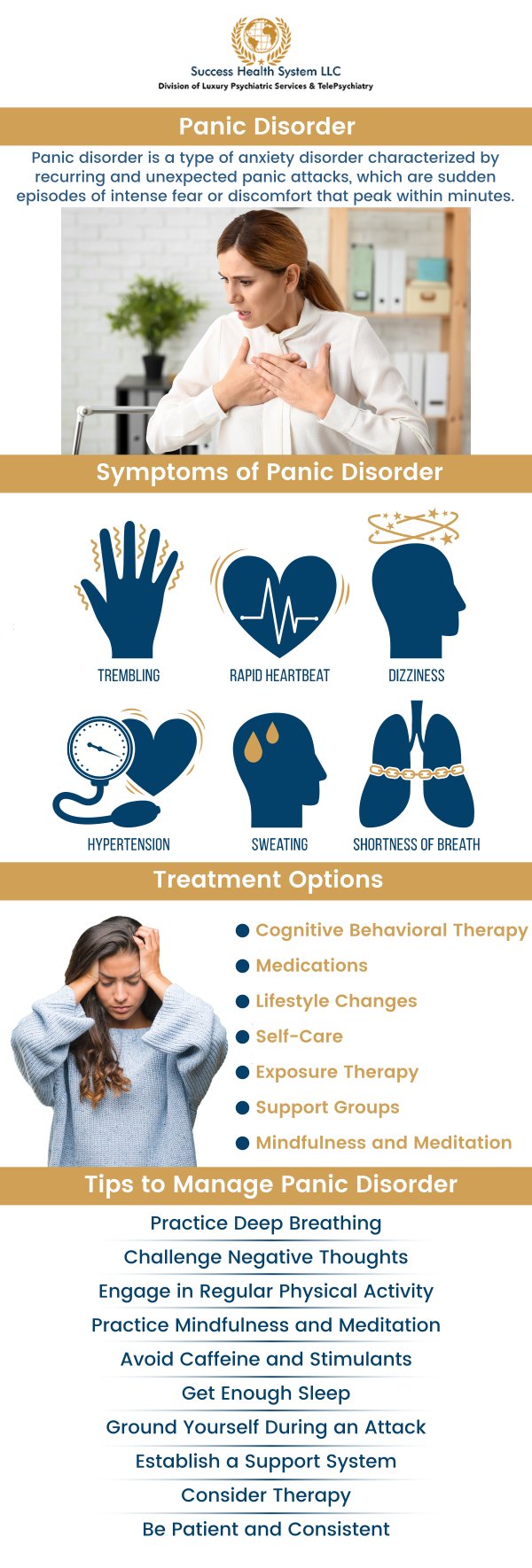
Table of Contents:
What is the difference between a panic attack and anxiety?
What physical sensations occur during a panic attack?
When should someone seek professional help for panic attacks?
What habits may help reduce panic attack triggers?
How Does Dr. Moses Tabe Ambilichu, M.D., Help Patients Manage Panic Attack Symptoms in Independence, MO?
Panic Attack Safety, Precautions, and Contraindications
Can panic attacks happen while sleeping?
How long does a panic attack usually last?
Can panic attacks happen without a trigger?
Are panic attacks dangerous to your health?
Medical References
Although panic attacks and anxiety are closely related, they are not the same experience. Anxiety generally involves ongoing worry, nervousness, or fear about situations that may happen in the future. These feelings can develop gradually and may continue for an extended period.
A panic attack is a sudden episode of intense fear or discomfort that reaches a peak within minutes. It can happen without an obvious trigger and may produce strong physical symptoms.
Some important differences include:
• Onset: Anxiety often develops gradually, while panic attacks can begin suddenly.
• Intensity: Panic attacks typically involve an intense surge of fear, while anxiety may range from mild to severe.
• Duration: Anxiety can persist for hours, days, or longer, while the most intense phase of a panic attack generally lasts several minutes.
• Physical symptoms: Both can cause physical discomfort, but panic attacks often involve more sudden and noticeable changes in heart rate, breathing, and body sensations.
Experiencing a panic attack does not automatically mean someone has panic disorder. Panic disorder involves recurrent, unexpected panic attacks followed by ongoing worry about future episodes or changes in behavior to avoid them.
Panic attacks can affect several parts of the body because the nervous system activates its natural fight-or-flight response. This response prepares the body to react to perceived danger, even when no actual threat is present.
Common physical sensations include:
• Rapid or pounding heartbeat
• Chest discomfort or tightness
• Shortness of breath or a choking sensation
• Sweating, chills, or hot flashes
• Trembling or shaking
• Dizziness or lightheadedness
• Nausea or stomach discomfort
• Tingling or numbness in the hands or fingers
• Muscle tension and weakness
Emotional symptoms can include an intense fear of losing control, feeling disconnected from surroundings, or believing something terrible is about to happen. Symptoms can vary from one person to another. Some people experience mostly physical sensations, while others experience stronger emotional distress.
Because panic attack symptoms can resemble those of other medical conditions, including heart and respiratory problems, it is important not to assume that unexplained chest pain or breathing difficulties are caused by anxiety.
Professional mental health support may be helpful when panic attacks become frequent, unpredictable, or disruptive to everyday activities.
Consider scheduling a psychiatric evaluation if:
• Panic attacks occur repeatedly without an obvious reason.
• Fear of another episode affects work, school, or relationships.
• You avoid public places, social activities, or familiar environments because of panic symptoms.
• You frequently worry about your physical sensations or believe another attack is about to happen.
• Anxiety interferes with sleep, concentration, or daily responsibilities.
• Self-management techniques are not providing enough relief.
A psychiatric evaluation may include questions about symptom frequency, medical history, emotional health, current medications, and possible triggers.
A healthcare professional may also recommend a physical evaluation to rule out medical conditions that can cause similar symptoms.
At Success Health System LLC, Dr. Moses Tabe Ambilichu evaluates mental health concerns, including anxiety disorders. Depending on individual needs, care may involve psychotherapy, medication management, or a combination of approaches.
Important: If you experience new or severe chest pain, persistent breathing difficulties, fainting, or other potentially life-threatening symptoms, call 911 rather than assuming they are panic-related. If you are experiencing thoughts of suicide or self-harm, call or text 988 for immediate crisis support.
Daily habits can support emotional well-being and may help reduce some factors associated with panic symptoms. Although lifestyle changes cannot replace professional treatment when needed, consistent routines can support an overall mental health plan.
Some helpful habits include:
• Maintain a Consistent Sleep Schedule
Irregular sleep and insufficient rest can affect emotional regulation and stress tolerance. Going to bed and waking up at similar times may help support better sleep patterns.
• Monitor Caffeine and Alcohol Intake
Caffeine can increase alertness, heart rate, and jitteriness, which may feel similar to panic symptoms. Alcohol can also affect sleep and anxiety. Paying attention to how these substances affect your body may help identify personal triggers.
• Practice Relaxation and Breathing Techniques
Slow, comfortable breathing and relaxation exercises may help you respond to stressful situations. Avoid forcing deep breaths or holding your breath if this causes discomfort.
• Stay Physically Active
Regular physical activity can support sleep, mood, and stress management. Choose activities that fit your physical abilities and health needs.
• Identify Personal Stress Patterns
Keeping a simple record of when symptoms occur, what happened beforehand, and how you felt may help identify recurring patterns. This information can also be useful during a psychiatric appointment.
• Maintain Supportive Relationships
Talking with trusted friends, family members, or mental health professionals can help reduce feelings of isolation and provide emotional support.
These habits are supportive measures, not guaranteed ways to prevent panic attacks. Individuals experiencing persistent symptoms may benefit from professional assessment and treatment.
Dr. Moses Tabe Ambilichu, M.D., a board-certified psychiatrist at Success Health System LLC, helps patients manage panic attack symptoms by first identifying how often the episodes occur, what physical and emotional sensations are present, and how they affect daily life. During the evaluation, he may review possible triggers, medical history, sleep patterns, current medications, stress levels, and any avoidance behaviors that have developed because of fear of another attack.
Based on each patient’s needs, Dr. Ambilichu may recommend a personalized care plan that includes medication management when appropriate, therapeutic support, coping strategies, breathing or grounding techniques, and regular follow-up. His goal is to help patients in Independence, MO, better understand their symptoms, reduce the frequency and intensity of panic attacks, and feel more confident managing anxiety in everyday situations.
For more information, contact us today or schedule an appointment online. We are conveniently located at 4429 S River Blvd Ste D, Independence MO, 64055. We serve patients from Independence MO, Raytown MO, Sugar Creek MO, Blue Springs MO, Kansas City MO, Lee’s Summit MO and surrounding areas.
Panic attack symptoms should be evaluated carefully because some physical conditions can produce similar sensations. Chest pain, rapid heartbeat, dizziness, and breathing difficulties should not automatically be attributed to anxiety, particularly when symptoms are new, severe, or different from previous episodes.
Before beginning treatment, patients should share their medical history, existing diagnoses, current prescriptions, over-the-counter medications, supplements, and any history of substance use with their healthcare provider.
Medication management also requires individual consideration. Some psychiatric medications may cause side effects or interact with other medications. Certain anti-anxiety medicines, particularly benzodiazepines, can carry risks of tolerance, dependence, and withdrawal. They should only be used under appropriate medical supervision.
There is no single treatment that is appropriate for everyone. Medication selection, psychotherapy approaches, and other interventions depend on individual circumstances, potential risks, and clinical evaluation.
Patients should not stop prescribed psychiatric medications or change their dosage without discussing the decision with their prescribing clinician.
If panic symptoms occur alongside thoughts of self-harm, suicidal feelings, or an inability to remain safe, immediate crisis support is important. Call or text 988, or call 911 if there is immediate danger.
Frequently Asked Questions About Panic Attacks
Yes. Panic attacks can occur during sleep and cause someone to wake up suddenly with a racing heart, sweating, difficulty breathing, or intense fear. These episodes are sometimes called nocturnal panic attacks. Repeated nighttime episodes may warrant a professional evaluation to assess possible anxiety-related and physical causes.
The most intense part of a panic attack generally lasts several minutes, although symptoms may continue for longer. Some individuals experience lingering fatigue, nervousness, or uneasiness after the episode. The duration and intensity can vary depending on the individual and circumstances.
Yes. Panic attacks can occur unexpectedly without an identifiable immediate trigger. Some episodes may be associated with stress, certain situations, or physical sensations, while others appear to happen without warning. Recurrent unexpected episodes accompanied by ongoing fear of future attacks may indicate panic disorder.
Panic attacks themselves are generally not life-threatening, but their symptoms can resemble those of serious medical conditions. Repeated episodes may also interfere with daily activities and emotional well-being. New or severe chest pain, fainting, or significant breathing difficulties require immediate medical evaluation rather than assuming the symptoms are anxiety-related.

Check Out Our 5 Star Reviews


Additional Services You May Be Interested In
▸Addiction Treatment
▸ADHD Treatment
▸Anxiety Treatment
▸Bipolar Disorder
▸Depressive Disorders
▸Mental Disorder
▸Obsessive Compulsive Disorders
▸Psychotic Disorders
▸PTSD Treatment
▸Phobias and Fears Therapist
▸Psychiatrist
▸Substance Disorder
▸Social Anxiety Psychiatrist
▸Medication Management
▸Psychotherapy
▸Exomind TMS – Columbia
▸Spravato

Additional Services You May Be Interested In
▸Addiction Treatment
▸ADHD Treatment
▸Anxiety Treatment
▸Bipolar Disorder
▸Depressive Disorders
▸Mental Disorder
▸Obsessive Compulsive Disorders
▸Psychotic Disorders
▸PTSD Treatment
▸Phobias and Fears Therapist
▸Psychiatrist
▸Substance Disorder
▸Social Anxiety Psychiatrist
▸Medication Management
▸Psychotherapy
▸Exomind TMS – Columbia
▸Spravato




 Send Text
 How May I Help You?

