

What Causes Bipolar Disorder?
Bipolar disorder is a complex mental health condition characterized by extreme mood swings, including manic highs and depressive lows. At Success Health System, Dr. Moses Tabe Ambilichu, M.D., works with patients to understand the underlying causes of their condition. Research indicates that genetic, environmental, and neurochemical factors contribute to the development of bipolar disorder. For more information, contact us or schedule an appointment online. We are conveniently located at 12401 Olive Boulevard, Suite 206, Creve Coeur, MO 63141.
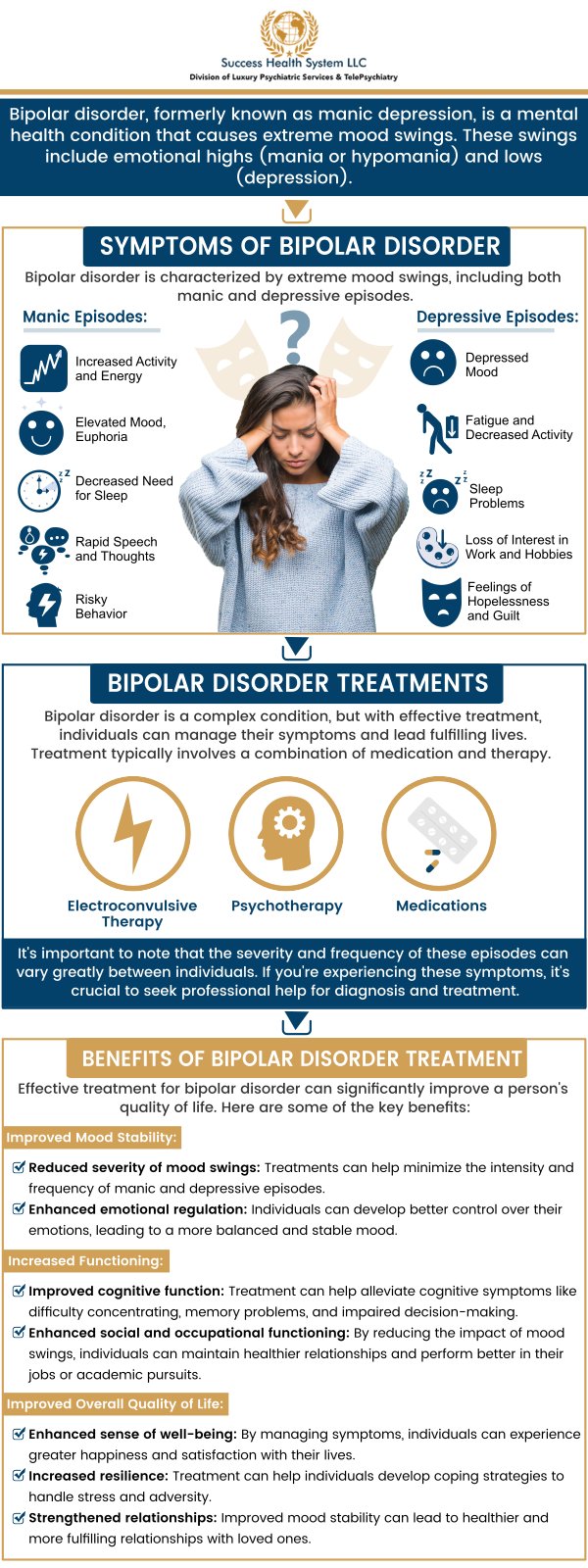
Table of Contents:
What causes bipolar disorder in a person?
What are the different types of bipolar disorder?
Is bipolar disorder caused by childhood experiences?
What triggers bipolar disorder episodes?
What makes Dr. Moses Tabe Ambilichu, M.D., an expert in treating bipolar disorder?
At Success Health System, we understand that bipolar disorder is a complex mental health condition with no single identifiable cause. Our team recognizes that the development of bipolar disorder is influenced by a combination of genetic, biological, and environmental factors. Here are some key causes that contribute to the development of bipolar disorder:
• Genetic Factors: A family history of bipolar disorder can increase the likelihood of developing the condition. Specific genes may contribute to the risk, though the exact genetic causes are not fully understood.
• Neurochemical Imbalances: Imbalances in neurotransmitters, the chemicals that transmit signals in the brain, are thought to play a significant role in the development of bipolar disorder. These imbalances can affect mood regulation and behavior.
• Brain Structure and Function: Research suggests that structural differences in certain brain areas, such as the prefrontal cortex, may contribute to the symptoms of bipolar disorder, affecting mood and decision-making processes.
• Environmental Stressors: Life events such as trauma, abuse, or significant stress can trigger the onset of bipolar disorder, especially in individuals genetically predisposed to the condition. These stressors may lead to mood episodes like mania or depression.
• Hormonal Changes: Hormonal imbalances or changes, especially during periods such as adolescence, pregnancy, or menopause, can contribute to the onset or exacerbation of bipolar disorder.
• Sleep Disruptions: Disturbed sleep patterns, including insomnia or changes in circadian rhythm, can trigger or worsen mood episodes in people with bipolar disorder.
• Substance Abuse: Drug or alcohol abuse can exacerbate bipolar symptoms or trigger manic or depressive episodes. In some cases, substance use can contribute to the onset of the disorder.
At Success Health System, we understand that bipolar disorder is influenced by multiple factors, and we are committed to providing personalized care to help manage the condition. Dr. Moses Tabe Ambilichu, M.D., and our experienced team work closely with each patient to develop a comprehensive treatment plan tailored to their unique needs.
Bipolar disorder is a complex mental health condition that involves significant changes in mood, energy, and activity levels. At Success Health System, we understand that every individual’s experience with bipolar disorder is unique, and we are committed to providing personalized, evidence-based care for all types of bipolar disorder.
Types of Bipolar Disorder
• Bipolar I Disorder: This is the most recognized form and is defined by at least one manic episode, which may be preceded or followed by episodes of depression. Manic episodes involve periods of abnormally elevated or irritable mood, increased energy, and potentially risky behaviors. These episodes can last at least one week or may require hospitalization. Depressive episodes can lead to severe sadness, loss of interest, and significant disruptions to daily life.
• Bipolar II Disorder: Characterized by at least one major depressive episode and at least one episode of hypomania—a less severe form of mania that does not cause significant impairment in social or occupational functioning. Individuals with Bipolar II never experience a full manic episode.
• Cyclothymic Disorder (Cyclothymia): Involves chronic, fluctuating mood disturbances over at least two years (or one year in children and adolescents). Individuals experience periods of hypomanic symptoms and periods of depressive symptoms, but the symptoms don’t meet the full criteria for major depressive or hypomanic episodes.
Each type of bipolar disorder presents with its own patterns, severity, and impact on daily life. That’s why accurate diagnosis and individualized treatment are essential. At Success Health System, our experienced mental health professionals use the latest diagnostic tools and therapeutic approaches to ensure that you or your loved one receives the most appropriate care. Our compassionate team is here to help you understand your options and guide you toward lasting wellness.
Childhood experiences can play a role in the development of bipolar disorder, though they are not the sole cause. Traumatic or highly stressful events during childhood, such as abuse, neglect, or the loss of a loved one, can increase the risk of developing mental health conditions, including bipolar disorder. These experiences can affect emotional regulation and coping mechanisms, which may contribute to the onset of mood disorders later in life.
However, it’s important to note that bipolar disorder is primarily influenced by a combination of genetic and biological factors. While childhood experiences may act as triggers or stressors, they are typically not the direct cause of bipolar disorder. Genetics, neurochemical imbalances, and brain structure differences also play significant roles in its development. Therefore, childhood experiences may be one piece of the puzzle, but not the sole factor in causing bipolar disorder.
At Success Health System, we recognize that bipolar disorder is a complex mental health condition marked by significant mood swings—ranging from emotional highs (mania or hypomania) to lows (depression). Our team understands that the causes of bipolar disorder are multifaceted. Rather than stemming solely from childhood experiences, bipolar disorder typically develops from a combination of genetic, biological, and environmental factors.
Bipolar disorder is a complex mental health condition that is marked by alternating periods of mania and depression. While the exact cause is not fully understood, certain triggers can increase the likelihood of episodes for those living with the disorder. Stressful life events, such as the loss of a loved one, relationship difficulties, or significant changes in daily routines, are common triggers that can precipitate either manic or depressive episodes. Additionally, disruptions in sleep patterns, including insomnia or irregular sleep schedules, are often linked to the onset of symptoms.
Substance abuse, including alcohol or recreational drugs, can provoke or worsen bipolar disorder episodes, as can certain prescription medications like antidepressants or steroids. Hormonal changes during pregnancy, after childbirth, or during menopause can also affect mood stability, leading to potential mood swings in individuals with bipolar disorder. Seasonal changes and shifts in circadian rhythms may contribute to episodes as well, with symptoms sometimes becoming more pronounced at particular times of the year.
At Success Health System, we understand that each individual is unique, and the triggers for bipolar disorder can differ from person to person. Our mental health professionals work closely with each patient to identify their specific triggers and develop personalized strategies for managing them. By recognizing and addressing these triggers, we aim to help reduce the frequency and severity of episodes, supporting our patients on their path to stability and improved well-being. If you or a loved one is living with bipolar disorder, we are here to provide compassionate, evidence-based care tailored to your unique needs.
Dr. Moses Tabe Ambilichu, M.D., is a board-certified psychiatrist with extensive expertise in treating bipolar disorder. With years of experience in psychiatry, Dr. Ambilichu has developed a deep understanding of the complexities of mental health conditions, particularly bipolar disorder. He is skilled in diagnosing and creating personalized treatment plans that may include medication management, therapy, and lifestyle modifications, all tailored to meet the unique needs of each patient.
Dr. Ambilichu’s compassionate approach to care ensures that patients feel heard, supported, and understood throughout their treatment journey. As a board-certified psychiatrist, he stays current with the latest research and clinical guidelines, ensuring that his patients receive the most effective and up-to-date treatments available. His expertise and holistic approach allow him to provide long-term, effective management of bipolar disorder, helping patients lead more stable and fulfilling lives.
For more information, contact us or schedule an appointment online. We are conveniently located at 12401 Olive Boulevard, Suite 206, Creve Coeur, MO 63141. We serve patients from Creve Coeur MO, Overland MO, Bridgeton MO, Clayton MO, Kirkwood MO, Chesterfield MO, Clarkson Valley MO and surrounding areas.

Check Out Our 5 Star Reviews


Additional Services You May Be Interested In
▸Addiction Treatment
▸ADHD Treatment
▸Anxiety Treatment
▸Bipolar Disorder
▸Depressive Disorders
▸Mental Disorder
▸Obsessive Compulsive Disorders
▸Psychotic Disorders
▸PTSD Treatment
▸Phobias and Fears Therapist
▸Psychiatrist
▸Substance Disorder
▸Social Anxiety Psychiatrist
▸Medication Management
▸Psychotherapy
▸Exomind TMS – Columbia
▸Spravato

Additional Services You May Be Interested In
▸Addiction Treatment
▸ADHD Treatment
▸Anxiety Treatment
▸Bipolar Disorder
▸Depressive Disorders
▸Mental Disorder
▸Obsessive Compulsive Disorders
▸Psychotic Disorders
▸PTSD Treatment
▸Phobias and Fears Therapist
▸Psychiatrist
▸Substance Disorder
▸Social Anxiety Psychiatrist
▸Medication Management
▸Psychotherapy
▸Exomind TMS – Columbia
▸Spravato




 Send Text
 How May I Help You?
