

What Causes Panic Attacks to Happen Suddenly?
Panic attacks can develop suddenly and cause intense fear along with physical symptoms such as a racing heartbeat, shortness of breath, dizziness, trembling, sweating, or chest discomfort. At Success Health System, Dr. Moses Tabe Ambilichu, M.D., and our team carefully evaluate symptoms, medical history, emotional health, and possible contributing factors to help patients better understand sudden panic attacks and explore an individualized treatment approach. For more information, contact us today or schedule an appointment online. We are conveniently located at 4429 S River Blvd Ste D, Independence MO, 64055.
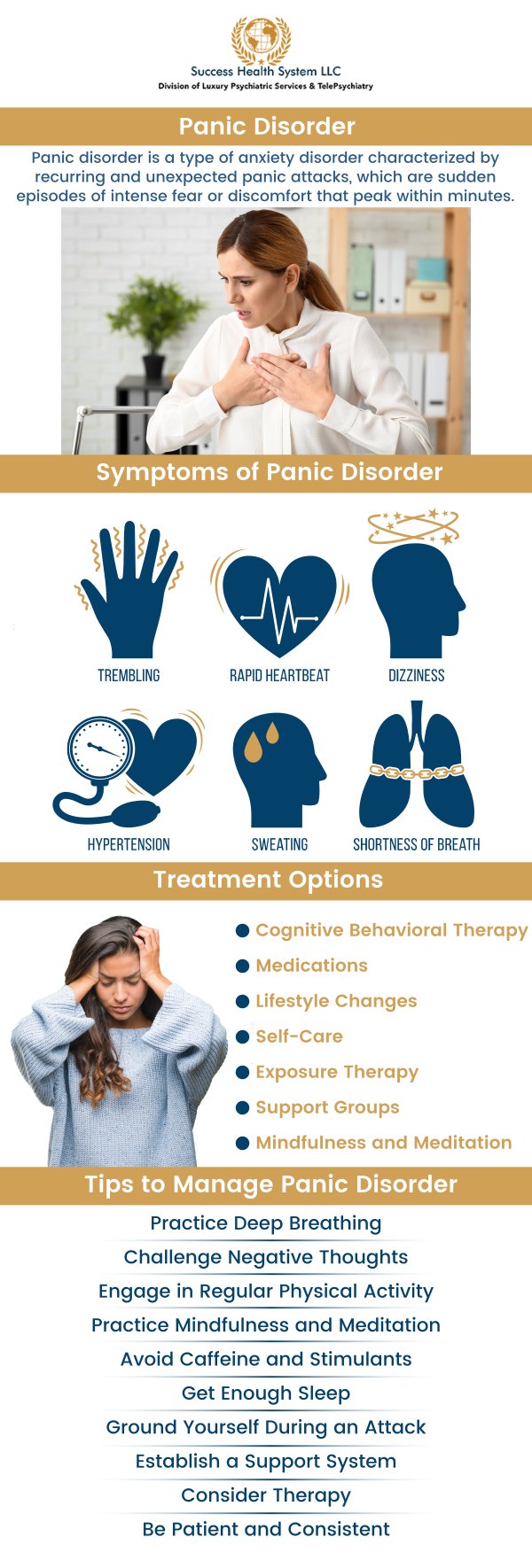
Table of Contents:
What are the most common causes of sudden panic attacks?
Can panic attacks occur without an obvious trigger?
How can stress or emotional overwhelm trigger a panic attack?
Why do some people experience panic attacks at night?
How can Success Health System in Independence, MO help identify possible triggers and provide treatment for recurring panic attacks?
Sudden panic attacks can feel overwhelming because they may appear with little or no warning. These episodes can develop from a combination of biological, psychological, environmental, and lifestyle factors. While some people can identify a specific trigger, others may experience panic symptoms unexpectedly.
Common factors that may contribute to sudden panic attacks include:
• Genetic factors: A family history of panic disorder or other anxiety conditions may increase susceptibility.
• High stress levels: Work pressure, relationship difficulties, grief, or major life changes can trigger intense anxiety responses.
• Underlying anxiety disorders: Panic disorder, generalized anxiety disorder, phobias, and other conditions may increase the likelihood of panic episodes.
• Past traumatic experiences: Emotional trauma may influence how the body and nervous system respond to perceived threats.
• Caffeine and stimulants: Excessive caffeine, nicotine, energy drinks, or certain medications may increase heart rate and anxiety symptoms.
• Sleep disruption: Poor or insufficient sleep can make the nervous system more sensitive to stress.
• Medical conditions: Thyroid problems, heart rhythm abnormalities, respiratory conditions, and other health concerns can sometimes produce symptoms similar to panic attacks.
• Brain and nervous system activity: Changes in the way the brain regulates fear, stress, and certain neurotransmitters may contribute to panic symptoms.
At Success Health System, our team evaluates symptoms, health history, emotional well-being, possible triggers, and medical factors to better understand what may be causing sudden panic attacks. We focus on individualized, evidence-based care designed to help patients manage symptoms, recognize contributing factors, and improve their overall emotional well-being.
Panic attacks can occur without a clear or identifiable trigger. Some episodes seem to happen suddenly, even when a person feels calm or is not facing an obvious stressful situation. This can make the experience especially confusing and may lead to worry about when another attack could happen.
Unexpected panic attacks may be influenced by subtle stress, changes in body sensations, sleep problems, caffeine or stimulant use, underlying anxiety, or the way the nervous system responds to perceived threats. Sometimes, a person may not consciously recognize the internal or environmental cues that contribute to the episode.
At Success Health System, our skilled team carefully evaluates panic symptoms, emotional health, medical history, lifestyle factors, and possible triggers to better understand each patient’s experience. Our clinic may recommend personalized treatment options, including therapy, medication when appropriate, and coping strategies to help reduce the frequency and intensity of panic attacks.
Stress and emotional overwhelm can activate the body’s natural fight-or-flight response. When this happens, stress hormones such as adrenaline may increase heart rate, breathing, sweating, and muscle tension. If these physical changes become intense, they can contribute to feelings of fear or loss of control.
Ongoing stress, grief, relationship difficulties, work pressure, or major life changes can make the nervous system more sensitive. For some people, noticing physical sensations such as a racing heartbeat or shortness of breath may increase anxiety, creating a cycle in which fear intensifies the symptoms and may lead to a panic attack.
At Success Health System, our team helps patients identify stressors, understand panic symptoms, and develop healthier ways to manage emotional overwhelm. Our clinic provides individualized care that may include therapy, coping strategies, and medication management when appropriate to support better emotional well-being.
Panic attacks at night, sometimes called nocturnal panic attacks, can wake a person suddenly with intense fear and physical symptoms. Possible contributing factors include:
• Daytime stress and anxiety: Unresolved worries may continue affecting the nervous system during sleep.
• Sleep disturbances: Insomnia, sleep apnea, or disrupted sleep patterns may increase sensitivity to anxiety symptoms.
• Changes during sleep transitions: Shifts in brain activity and breathing patterns can sometimes trigger panic-like sensations.
• Underlying anxiety conditions: Panic disorder or generalized anxiety disorder may increase the likelihood of nighttime episodes.
• Hormonal or physical changes: Changes in body chemistry may contribute to increased nighttime sensitivity.
• Caffeine, alcohol, or stimulant use: Certain substances may interfere with sleep and increase anxiety symptoms.
• Family history and genetics: Some people may have a greater inherited tendency toward panic or anxiety disorders.
• Fear of physical sensations: Waking with a rapid heartbeat or shortness of breath may intensify anxiety and lead to a panic attack.
At Success Health System, our team evaluates mental health, sleep patterns, lifestyle factors, medical history, and possible triggers to better understand nighttime panic attacks. Our team can develop an individualized care plan that may include therapy, medication management when appropriate, and strategies to improve anxiety management and sleep quality.
At Success Health System in Independence, MO, our team takes a comprehensive approach to understanding recurring panic attacks and the factors that may contribute to them. Dr. Moses Tabe Ambilichu, M.D., a board-certified psychiatrist, can review symptoms, medical and mental health history, stress levels, sleep patterns, lifestyle habits, and possible environmental or emotional triggers. This detailed evaluation can help distinguish panic attacks from other conditions that may cause similar physical or emotional symptoms.
Once possible triggers and contributing factors are identified, our team can develop a personalized treatment plan based on each patient’s individual needs. Care may include psychotherapy, coping and relaxation strategies, lifestyle guidance, and medication management when appropriate. At Success Health System, our goal is to help patients better understand their symptoms, reduce the frequency and intensity of panic attacks, and improve their confidence in managing anxiety in everyday life.
For more information, contact us today or schedule an appointment online. We are conveniently located at 4429 S River Blvd Ste D, Independence MO, 64055. We serve patients from Independence MO, Raytown MO, Sugar Creek MO, Blue Springs MO, Kansas City MO, Lee’s Summit MO and surrounding areas.

Check Out Our 5 Star Reviews


Additional Services You May Be Interested In
▸Addiction Treatment
▸ADHD Treatment
▸Anxiety Treatment
▸Bipolar Disorder
▸Depressive Disorders
▸Mental Disorder
▸Obsessive Compulsive Disorders
▸Psychotic Disorders
▸PTSD Treatment
▸Phobias and Fears Therapist
▸Psychiatrist
▸Substance Disorder
▸Social Anxiety Psychiatrist
▸Medication Management
▸Psychotherapy
▸Exomind TMS – Columbia
▸Spravato

Additional Services You May Be Interested In
▸Addiction Treatment
▸ADHD Treatment
▸Anxiety Treatment
▸Bipolar Disorder
▸Depressive Disorders
▸Mental Disorder
▸Obsessive Compulsive Disorders
▸Psychotic Disorders
▸PTSD Treatment
▸Phobias and Fears Therapist
▸Psychiatrist
▸Substance Disorder
▸Social Anxiety Psychiatrist
▸Medication Management
▸Psychotherapy
▸Exomind TMS – Columbia
▸Spravato




 Send Text
 How May I Help You?
